Page 2 of 11
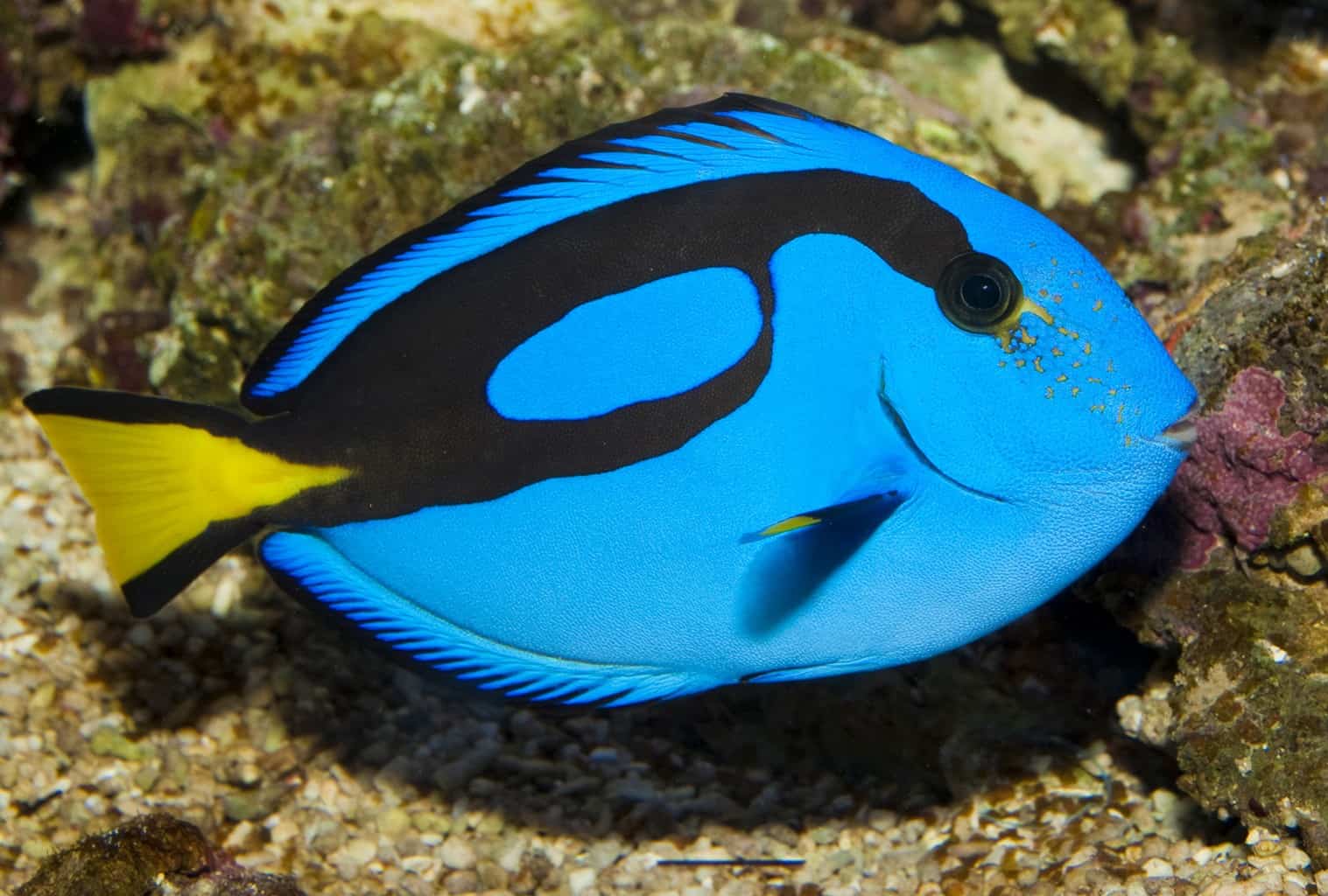
Blue Tang
Blue body; dark/black hook shaped marking between eye and tail; tail is yellow bordered in black. Since being cast as “Dory” in the movie “Finding Nemo”, Blue Tangs are disappearing from their native reefs from increasing hobby demand. Captive-bred Blue Tangs have been available from Biota, but until they are aquacultured regularly, they will remain […]
February 10, 2022
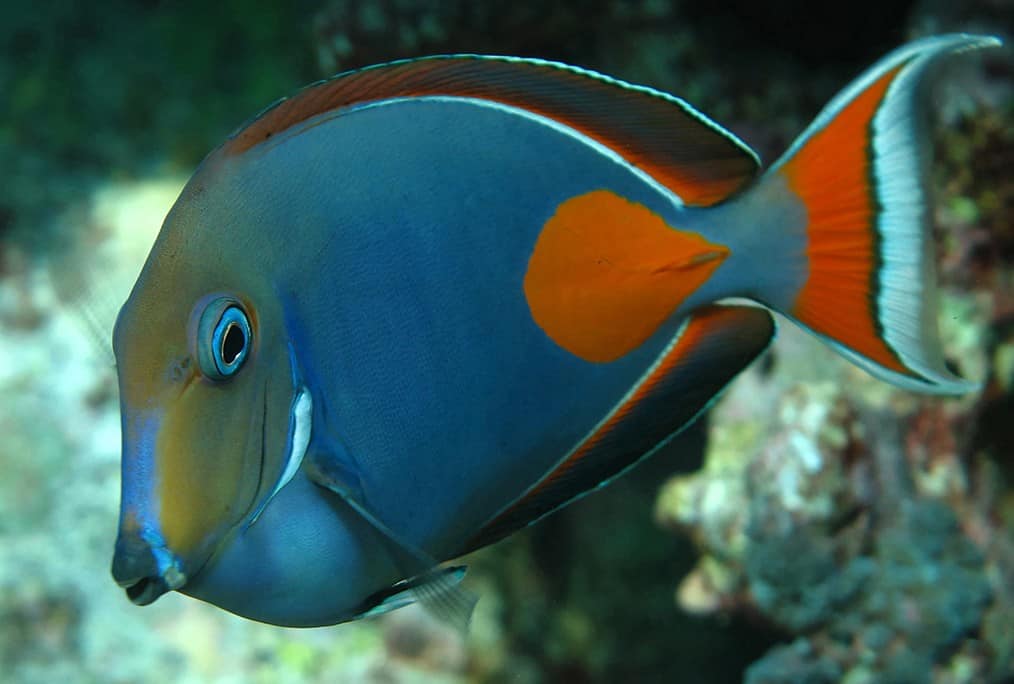
Achilles Tang
Dark blue to black; orange large teardrop near tail base; orange and white tail; white stripes at bases of dorsal and anal fins. The Achilles Tang has been severely overharvested by the aquarium trade in Hawaii with populations down to a small percentage of their former numbers. Attempts at captive breeding have been unsuccessful.
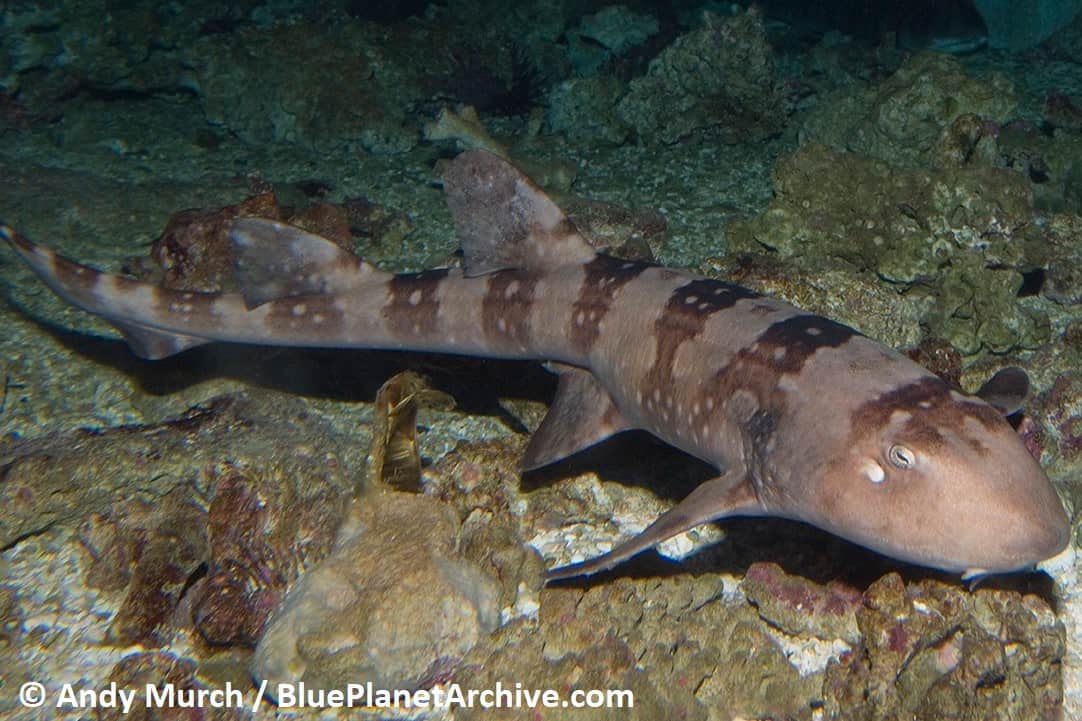
Whitespotted Bamboo Shark
Dark grey, black or brown with pale saddles; white spots. Colors lighten with maturity; bands become more distinct. Though this captive-bred bamboo shark is sometimes available in the 5″ – 15″ range, their maximum size at adulthood (3.25 ft.), x-large tank and specialized care requirements makes them suitable only for public display aquariums.
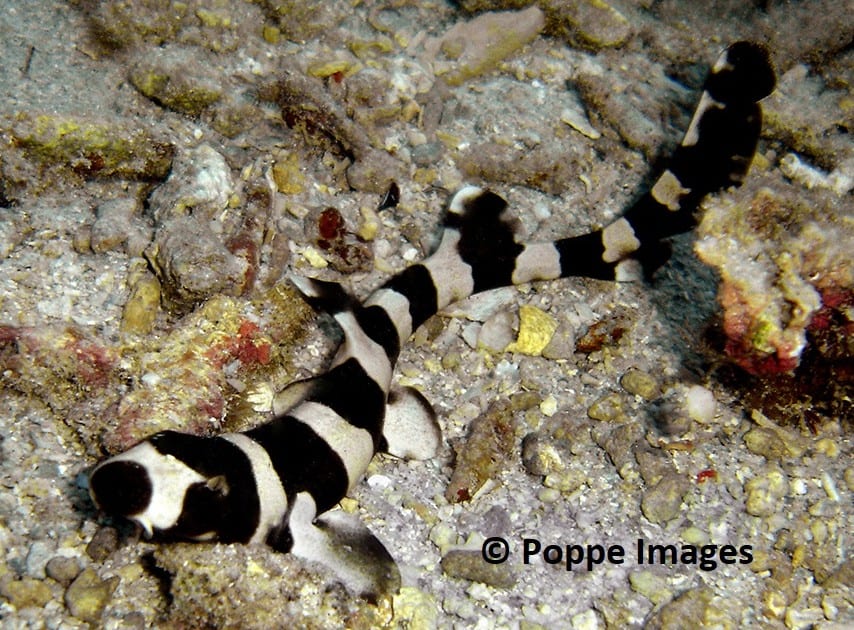
Brownbanded Bamboo Shark
Alternating light and dark bands in the white/tan and brown/black ranges. Bands fade away with maturity and body becomes brown. Though this captive-bred bamboo shark is sometimes available in the 5″ – 15″ range, their maximum size at adulthood (3.5 ft.), x-large tank and specialized care requirements makes them suitable only for public display aquariums.
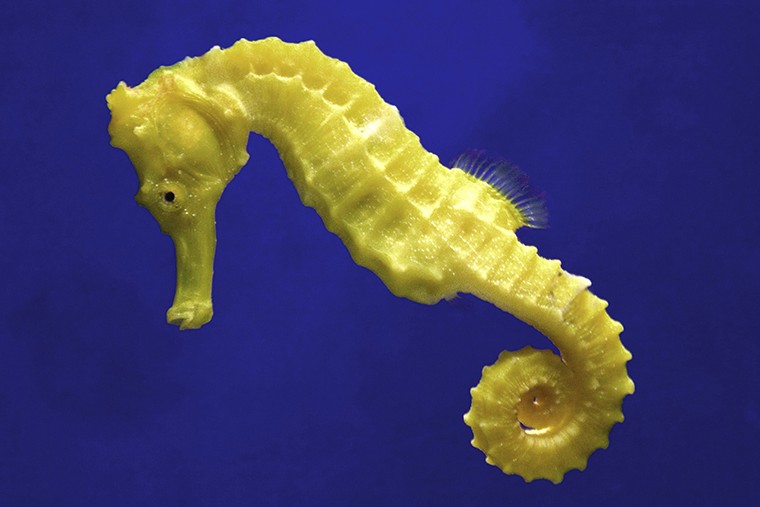
Lined Seahorse
Variable colors; head and neck often with white lines; some with dark or light saddles on back; relatively short snout. Seahorses require specialized care from knowledgeable and experienced fish keepers and are not suitable for novices. Social and best kept in groups in dedicated sea horse only tanks with low currents and assorted, comfortable hitching […]
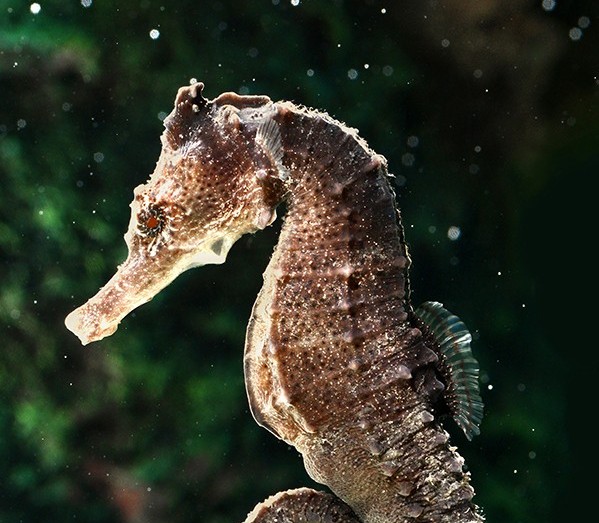
Kelloggi Seahorse
Tan to black; often with tiny white dots. To 11 inches. A deep-water species, Kelloggi seahorses are unsuitable for captive life. Typically raised in Asia in overcrowded net pens or cramped tanks which expose them to stress and disease, they are not ready for life in captivity, unlike true captive-bred species. Few aquarists, including experts, […]
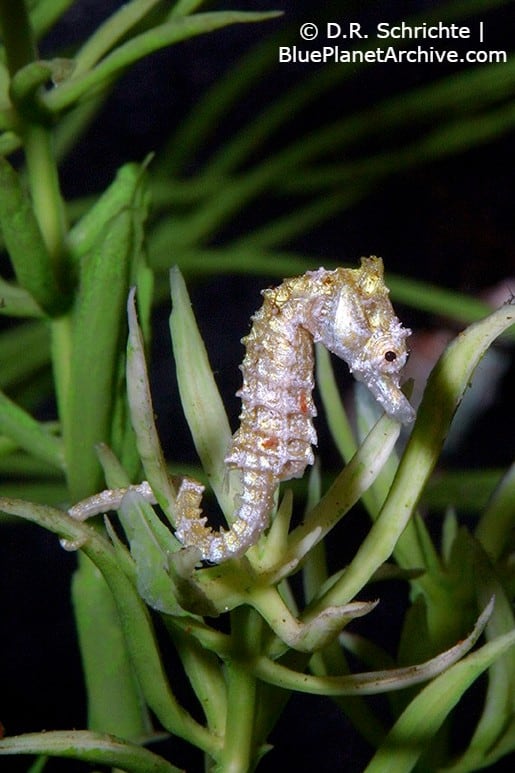
Dwarf Seahorse
Off-white; yellow; green; black; short snout. To 1 inch. Captive-bred Dwarf Seahorses are sometimes available, but their specialized needs make them unsuitable for the hobby. Like all seahorses in the wild, they are threatened with extinction.
Common Seahorse
Black; tan/sandy; white/creamy with spots; pale yellow with spots; smooth body; no spines; thick snout. Seahorses require specialized care from knowledgeable and experienced fish keepers and are not suitable for novices. Social and best kept in groups in dedicated sea horse only tanks with low currents and assorted, comfortable hitching posts. Wild seahorses are threatened […]
Brazilian Seahorse
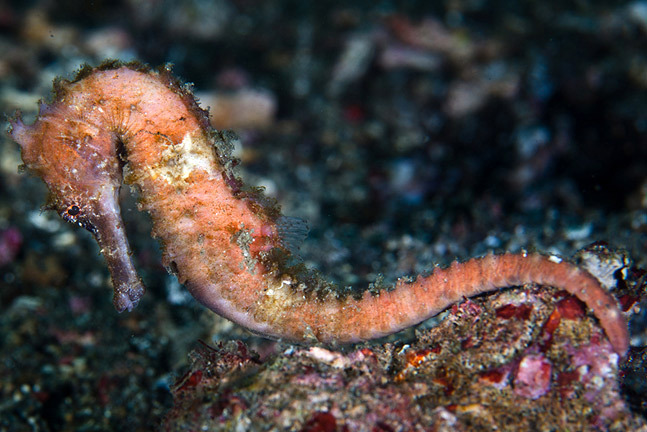
Variable colors; often with many brown spots and tiny white dots, especially on tail; long, thick snout; narrow body. A delicate species for experienced seahorse keepers only. The Brazilian Seahorse may be on the brink of extinction in the wild. Like all captive-bred seahorses, these are best sourced directly from their breeders.
Big-Belly Seahorse
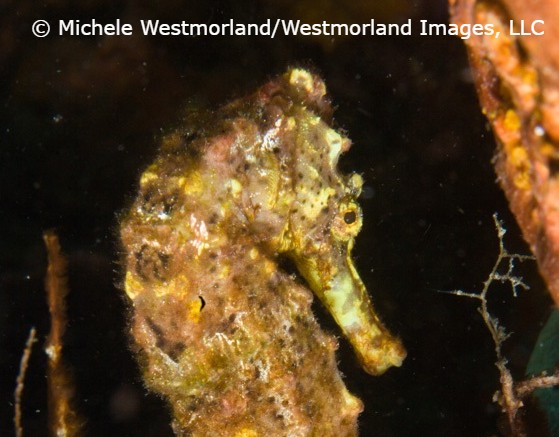
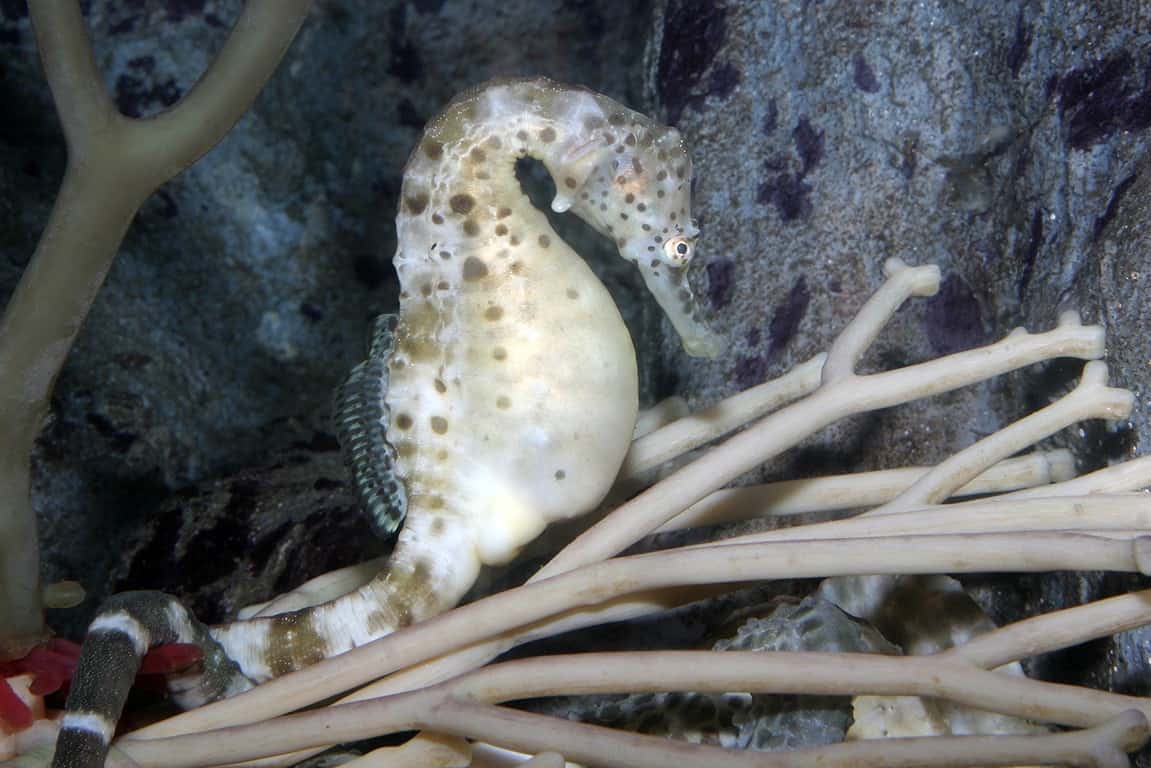
Variable mottled colors including white, tan, brown, yellow and olive green; some with dark spots and blotches. Males with prominent white brood pouch. A cold-water species that may reach 12″. They require a very tall/large tank and a chiller. Suitable only for experts in seahorse care. Available at Seahorse.com
Page 2 of 11


